


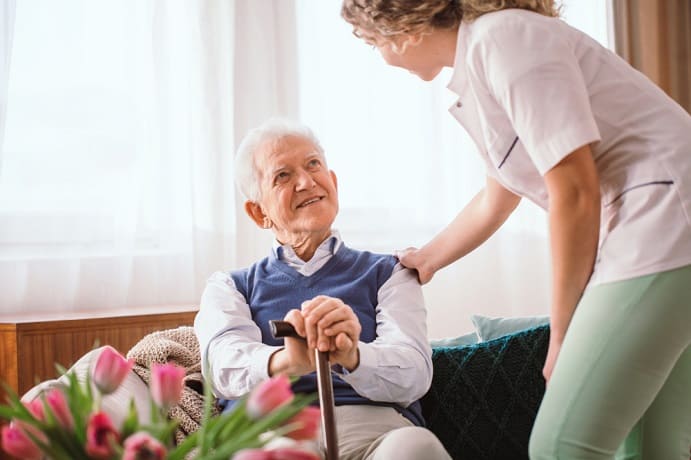
Serious illness can change almost everything in a family’s routine. Doctor visits are more frequent. The medications have to be taken care of. Energy levels vary. Things that used to take a few minutes may suddenly require planning and assistance.
Amid it all, something as mundane as getting dressed in the morning can take on surprising significance. When so many other things feel uncertain, the comfort of familiar routines can be a refuge. Washing dishes, putting on comfortable clothes, sitting in a favorite chair, or having fresh bedding might seem like small things, but they can help a person to maintain a sense of normal life.
With Personal Care Services in Grand Prairie, eligible patients on hospice care can receive help with their daily needs that have become more difficult to handle because of declining health or mobility. These services support the overall hospice plan to provide comfort, dignity, and quality of life.
A normal morning that suddenly needs help
Think of all the things that go into an ordinary morning. People might have to get out of bed, go to the bathroom, take a bath, dry off, get dressed, comb their hair, and go to another part of the house.
In a healthy individual, these activities happen almost automatically. But in the stress of serious illness, each step takes more energy. If you have less strength, fatigue, discomfort, or limited mobility, you may find tasks more difficult to do.
Families could start to see changes like:
- Extreme fatigue during bathing or grooming
- More assistance with dressing or toileting
- Difficulty moving safely between different parts of the home
- Daily activities taking much longer than normal
These changes may be a sign that more personal care help needs to be discussed with the person’s care team.
Independence Does Not Mean Doing Everything Alone
Sometimes families are afraid that by accepting help they will be taking away their loved one’s independence.
But independence doesn’t mean always doing it all without any help. For a person whose health has changed, independence might mean still being able to make choices.
What clothes would they like to wear today? Would they like to wash up now or later? What personal rituals do they still hold on to?
Assistance with personal care can support these decisions and help with activities that have become difficult. The amount of help that is needed varies greatly.
Someone could use a little help getting dressed. Another may need more help with bathing, toileting, or mobility. The needs of the other person can change from day to day. Personalized care needs to take these differences into account.
Dignity is in the details
Personal care touches some of the most intimate areas of someone’s everyday life. And that is the importance of respect.
It can be hard for someone who has looked after children, run a household, worked for decades, or lived alone to suddenly need help with bathing or dressing.
Allowing reasonable time, communicating clearly, respecting preferences, and maintaining privacy can be supportive, not rushed personal care. Hospice care in Grand Prairie should connect personal care to the overall objective of ensuring the patient’s comfort and dignity.
What Does Personal Care Consist Of?
According to the patient’s individual hospice plan, qualified hospice aides can help with personal needs. The services offered will be dependent on the person’s condition and needs but may include:
- Bathing, dressing, grooming, toileting
- Mobility and transfer assistance as needed
- Changing linen and individual comfort needs
- Other daily personal support included in the care plan is:
Hospice is more than just personal care. Other members of the hospice team address other needs based on their professional role and the patient’s individualized plan.
That team approach is important because serious illness can affect so much more than physical comfort.
A Familiar Home Becomes Part of Comfort
There is something powerful in familiarity. The bedroom is just the same. Family photos still hang on the walls. The person knows where the window faces in the morning and where their favorite chair sits.
Those everyday details matter to a lot of people. If eligible, patients can receive in-home hospice care in Grand Prairie, which means the right hospice support can come to the environment in which they live.
Depending on the circumstances of the person, hospice may also be provided in certain residential settings.
Receiving care in familiar surroundings does not mean that the family has to assume all responsibility.
Hospice provides an interdisciplinary approach that may include physicians, nurses, qualified hospice aides, social workers, spiritual counselors, bereavement coordinators, volunteers, and other appropriate support.
Family caregivers often become caregivers over time
Most people never make an official decision of “I am a caregiver now.” Daughter begins to assist her mother with groceries. Then she begins going to appointments. Later she assists with medications, meals, bathing, and housework.
A spouse can slowly begin to assume responsibilities that their partner previously handled independently. Because caregiving responsibilities accumulate gradually, families do not always realize how demanding the routine has become.
Professional hospice support can help build a broader care team around the patient and family. This does not replace the family’s relationship with their loved one.
Indeed, having help with the proper care duties could allow family members to spend more time just being family rather than being accountable for each part of the daily care routine.
Personal care needs can change fast
Someone may just need help with a few activities today and need more down the road. A serious illness does not always follow a predictable course.
Families should report any significant changes to the hospice team, especially changes in mobility, comfort, energy, personal care needs, or the person’s ability to do normal activities.
For example, if a patient who used to be able to walk to the bathroom independently now requires a lot of assistance, this change should not be accepted as just a new household routine without discussion. The care team needs accurate information about the changing needs of the person.
Home Safety Should Not Be Overlooked Either
Mobility changes can make it harder to get around, even in a familiar home. It might be harder to avoid walking around a rug you never had to think about. When help is needed, a bathroom can feel like a small space. You may suddenly find yourself unable to reach ordinary objects.
Families can monitor the environment as their loved one’s abilities change. Helpful considerations include keeping common walking areas clear, placing necessary items within easy reach, not rushing, and discussing any mobility or transfer concerns with the appropriate healthcare professionals.
There isn’t one size that fits all home setup for all patients. Safety decisions should be made based on the individual’s ability and the guidance of the care team.
Hospice Is More Than Personal Care
If you are a family considering home health and personal care in Grand Prairie, you will find some different kinds of services. It is important to know about hospice.
Generally, hospice is for eligible people who have a terminal illness, where the focus of care is comfort rather than cure.
And not just to assist with bathing or dressing. Hospice may include medical management, nursing support, family education, personal care by qualified hospice aides, social support, spiritual support, and bereavement assistance, depending on the individual plan.
Personal care is part of the larger approach.” This is important because families need to know what type of care they are considering and whether it is appropriate for the current medical condition of their loved one.
When Should You Ask About Hospice?
Some families are reluctant to contact hospice because they feel that by asking questions they are committing to a final decision. If someone has a serious, life-limiting illness, and the family wants to learn about comfort-focused care, they can ask for information.” To be eligible for hospice care, a person must meet medical criteria and clinical assessments.
Families can talk with the patient’s health care provider or call a hospice organization to learn about the services available and how the evaluation is done. The sooner you ask questions, the more time everyone has to understand what options are available.
Why Should You Choose Elite Hospice of Texas?
Elite Hospice of Texas offers compassionate hospice and palliative support focused on comfort, dignity, and quality of life.
As a hospice team, we believe in working with the patient and family to build support that is based on the individual needs and not treating every situation the same.
Qualified hospice aides may provide personal care services in Grand Prairie to eligible patients as specified in the care plan, including assistance with appropriate daily personal needs. Other hospice professionals may address medical, emotional, social, spiritual, and family support needs within their own roles.
Sometimes Simple acts of kindness and care can brighten an entire day
Sometimes, in the midst of serious illness, a good day doesn’t need anything extraordinary. Sometimes it’s nice and cozy to wake up. Getting help getting ready but not being rushed. It means wearing clean clothes, sleeping on clean sheets, being with family, or just not going into the unknown.
These ordinary moments can be very meaningful. If your family is considering the use of Personal Care Services in Grand Prairie as part of hospice support, Contact today at Elite Hospice of Texas for the questions about different types of care that is available and whether hospice may be right for your loved one’s circumstances.
Elite Hospice of Texas
4402 Broadway Blvd., Suite #14A
Garland, TX 75043
Phone: 972-770-0597
Email: bishophospice@gmail.com
Frequently Asked Questions
What is personal care in hospice care?
Personal care may include assistance with bathing, grooming, dressing, toileting, linen changes, mobility, transfers, and other appropriate comfort-related activities as outlined in the patient’s individualized hospice plan.
Does Grand Prairie provide hospice care at home?
Support from hospice may be provided to eligible patients in a private residence or other residential care setting, depending on individual circumstances.
Does accepting personal care mean you are losing your independence?
No. Assistance can be directed to things that have become difficult for the person but in ways that respect his or her abilities, decisions, preferences, and dignity.
How does a family in Grand Prairie know if hospice is the right choice?
Hospice eligibility is determined by the individual’s medical circumstances and clinical assessment. Families may also contact the patient’s healthcare provider or call Elite Hospice of Texas at 972-770-0597 to learn more about hospice services and the evaluation process.